FLASH SALE! $50 off any lease. Ends December 20th. APPLY TODAY

Deciding where to stay is among the most important choices you’ll have to make as a BYU-Idaho college student. The choice you make about your housing will affect the way you live, your budget, your social circle, and your school routine. It doesn’t matter whether you’re a first-year college student or an alumnus contemplating a move; the decision between off-campus and on-campus housing can seem daunting. Each has advantages. The “right” option is based on your character, objectives, and needs. This article explains the different options in a concise way to help you make the right choice and prepare for a comfortable, successful, and unforgettable semester at Rexburg.

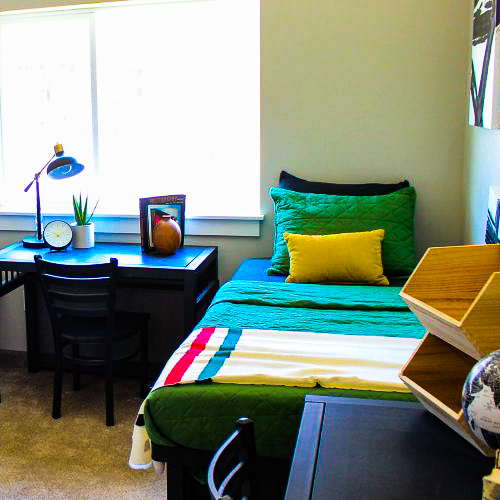
Housing on campus at BYU Idaho has been designed to provide students with an organized, spiritually enriching environment. The dormitories aren’t just the place where you sleep. They’re also an integrated community designed to foster spiritual development, academic growth, and social bonds. For many first-year students, this environment feels like a natural extension of the high-school-to-college transition because everything is close, supervised, and supported.
Being on campus puts you at the heart of the student experience. There’s a short walk to the libraries, chapels for devotional services, along with sports facilities, as well as your classes, which could help you save time and boost your participation. Suppose you’re a student who enjoys collaboration or wishes to have a greater social experience without having to worry about house chores. In that case, on-campus accommodation gives you structure and convenience that are impossible to duplicate.
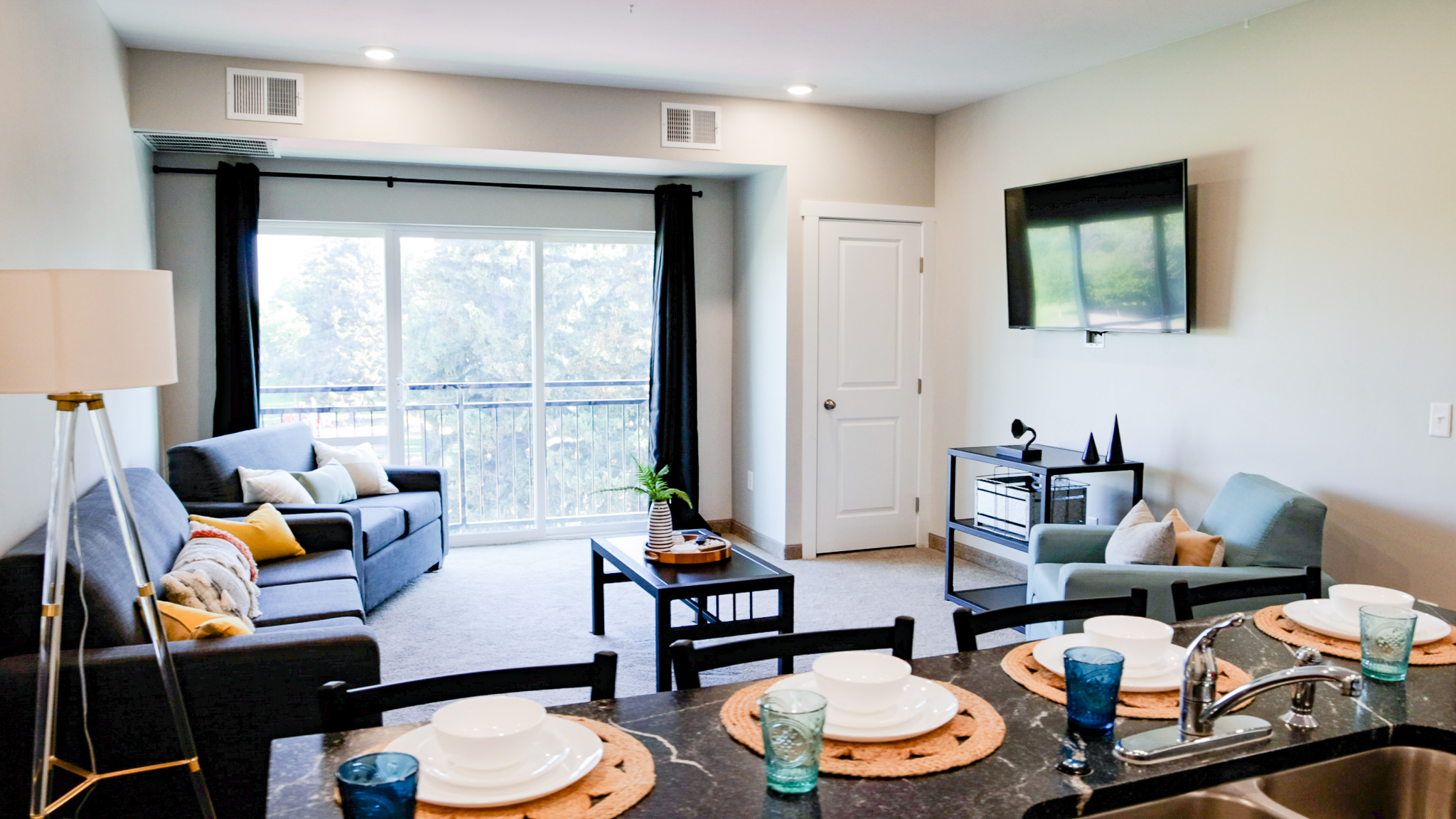
Off-campus accommodation located in Rexburg is a new experience: more freedom, more living space, and, often, more convenience. There are plenty of apartments around campus that are priced, accessible, and aimed at students seeking more independence and privacy. In contrast to dorms, off-campus apartments usually have kitchens, full-sized bedrooms, and living spaces or semi-private rooms, which give students greater autonomy over their lives and surroundings.
It’s also a way to manage routines. Students living away from campus handle their own meals, cleaning, and transport. For some, it is an opportunity to be more independent; for others, it adds a lot of responsibility. Apartments off campus are particularly attractive to couples and to students who want a more tranquil or adult-like environment. Some complexes also offer facilities such as study lounges or gyms, parking, and community activities, creating an ideal blend of independence and belonging.
The budget is often the most important factor in deciding between campus dorms and off-campus apartments. Although prices for the same dorms may appear the same at first, the breakdowns will differ.
Housing on campus is usually priced at a fixed rate. One flat price that includes internet, utilities maintenance, and, occasionally, meal plans. A predictable budget structure can make planning much easier, particularly for students who are living in a different location at first. But what’s the drawback? It is possible to pay more for convenience, and it is common to get smaller spaces.
Apartments off campus are more economical, but they are not without cost. Prices may be cheaper, but you’ll have to cover utilities, transportation, groceries, and parking. If you can manage your budget, living off campus could reduce your expenses. If you regularly eat out or don’t monitor your bills, expenses can add up quickly. The amount you pay for your financials is contingent on the discipline you maintain and your lifestyle.
First-year students usually appreciate the structure, the convenience of living close to others, and the benefits of socialization in the dorms on campus. Students in the upper classes, on the contrary, prefer greater freedom and more space, and therefore off-campus housing is the best choice for them.
In on-campus housing, you will find resident advisors, curfews, and precise guidelines. In off-campus housing, you have the freedom to roam, but it also comes with responsibilities. Consider which setting helps you remain balanced and accountable.
Do you desire regular social contact? The Dorm Life offers shared areas with group activities and a built-in network of friendships. If you are looking for privacy or quiet and prefer to choose your own time to get social, the apartment might be best for you.
If you’re looking for a predictable cost, Dorms are a better option. If you’re careful with food shopping and money, as well as bills, off-campus housing is often less expensive and more valuable.
Students on campus walk to all the amenities, which saves time and stress. Off-campus students have more space, but they might need to drive farther or arrange rides in the Rexburg winter months.
Dorms are simple. Off-campus apartments can have bigger areas, kitchens with full-sized appliances, private bathrooms, bars, or gyms. Take note of the things you value most for your satisfaction.
Students who appreciate regularity, structure, and being at the center of college life usually thrive in dormitories. It is particularly helpful to those who aren’t sure how to manage household obligations or are trying to balance both social and academic life. If you like community gatherings and shared spaces, and you have a group of friends with similar values and a shared schedule, Campus housing is a great way to kickstart your college experience. University rules and support systems can help students stay on the right track in their first year.

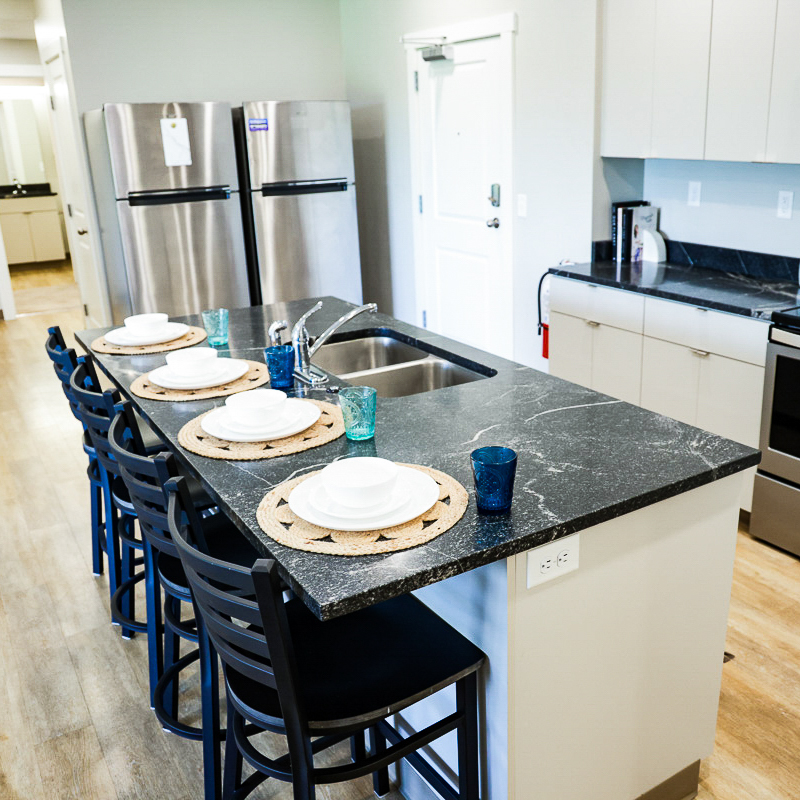
If you’re a self-motivated and independent person and prefer your own living space, then an off-campus residence may be the ideal place to live. This is a good option for those looking to cook for themselves, host smaller gatherings, or create a cozy ambience. The off-campus lifestyle is beneficial for students who want to study in peace or for those who want the flexibility of their schedules. Even though you’ll be in the company of students, you’ll be free of being under constant surveillance and the structured communal environment that is common in dorms.
The decision between dormitories on campus or off-campus housing at BYU-Idaho doesn’t have to be an issue of deciding which one is more suitable, but about the environment that helps you succeed socially, academically, and spiritually. Dorms are a great option for students looking for community, ease of use, and structure. On the other hand, off-campus housing offers independence, space, and a more relaxed lifestyle. Be sure to assess your character, your financial practices, and your future objectives. Make the right decision, one that will help you develop and will make your stay at BYU Idaho both enjoyable and unforgettable.